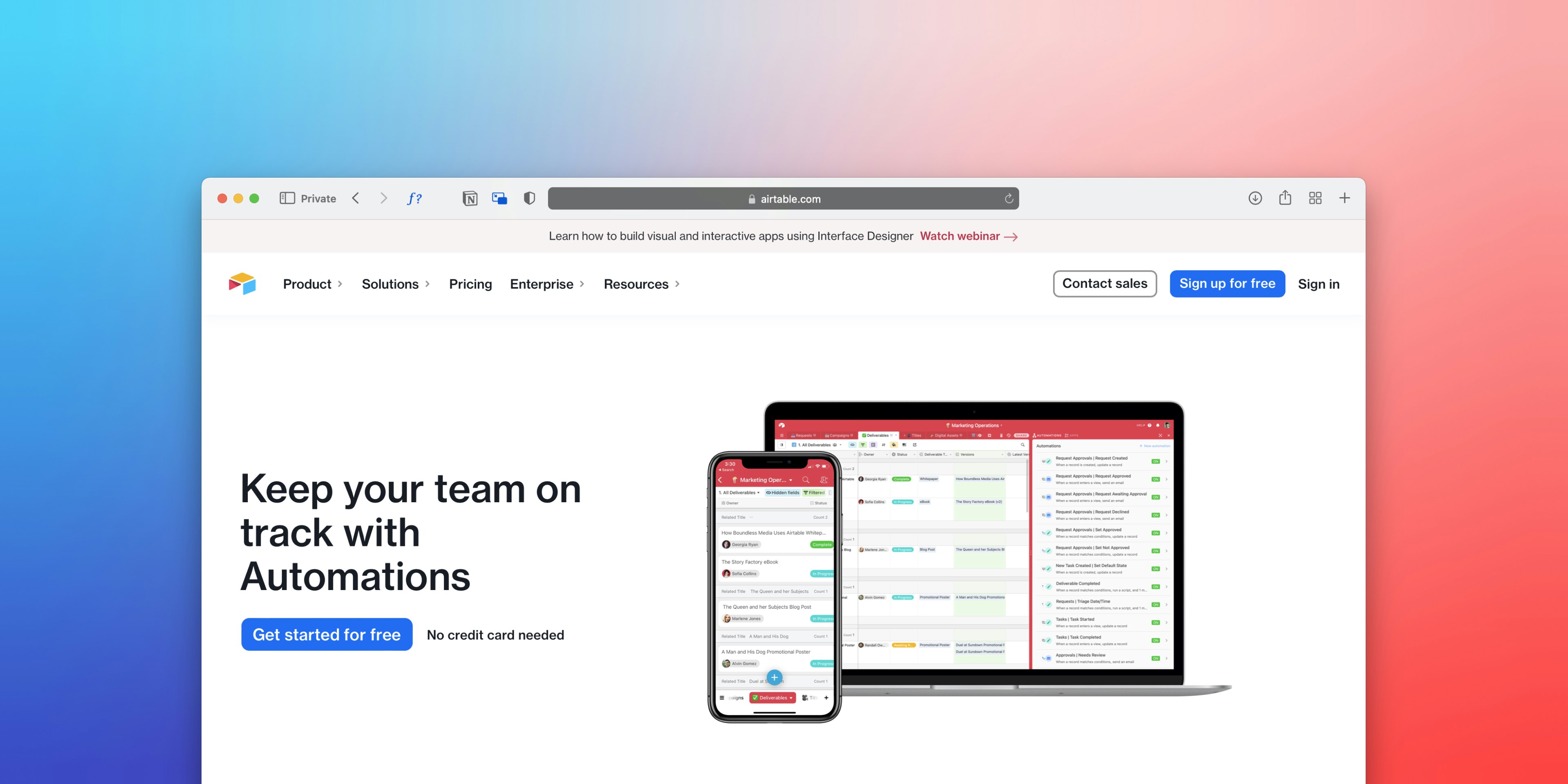

For over three decades, the fundamental experience of the World Wide Web has remained unchanged: a human user opens a browser, types a URL or search query, and manually navigates through visual interfaces, clicking links and filling out forms. However, the rise of agentic artificial intelligence is beginning to challenge this paradigm. AI agents—autonomous software entities designed to execute multi-step workflows—are increasingly capable of browsing the web on behalf of humans.
How AI Agents Navigate the Web
Unlike traditional web scrapers that parse raw HTML or APIs that require structured endpoints, modern AI agents interact with websites much like humans do. Technologies such as Anthropic's "computer use" capability allow models to perceive the visual state of a screen, move a cursor, click buttons, and type text. Similarly, emerging tools like OpenAI's "Operator" and Google's "Jarvis" aim to execute tasks such as booking flights, purchasing products, or conducting research directly through standard web interfaces.
This shift means that websites are no longer just destinations for human eyes; they are becoming environments for machine action. Instead of a user visiting five different travel blogs and booking sites, an AI agent might crawl those sites, synthesize the options, and execute the transaction in the background.
The Implications for Web Design and SEO
The transition to an agent-centric web introduces several profound shifts for developers, founders, and digital marketers:
From Visual Appeal to Semantic Clarity: While beautiful typography and animations engage human visitors, AI agents rely heavily on semantic HTML, ARIA attributes, and structured data (such as Schema.org). A site with poor accessibility standards will be difficult for an AI agent to navigate, effectively hiding it from agent-driven recommendations.
The Evolution of SEO: Search Engine Optimization is expanding into Agent Engine Optimization (AEO). Instead of optimizing for keywords to rank on a search engine results page (SERP), developers must ensure their content is easily digestible by LLMs that synthesize answers directly.
Redefining Web Metrics: Traditional metrics like pageviews, bounce rates, and ad impressions may lose their utility if agents perform the browsing. Businesses will need to find new ways to measure engagement and monetize interactions, potentially shifting from ad-supported models to API-based subscriptions or agent-licensing agreements.
Technical and Security Challenges
Allowing AI agents to browse freely is not without risks. Developers must navigate several technical and security trade-offs:
"The integration of autonomous agents with the public web introduces novel security vectors, most notably indirect prompt injection, where malicious web content manipulates the agent's behavior."
For example, an agent reading a compromised product page might encounter hidden text instructing it to steal the user's session cookies or make unauthorized purchases. Additionally, web administrators face the challenge of distinguishing between helpful user-delegated agents and malicious scrapers, complicating bot-mitigation strategies.
Preparing for the Agentic Web: Next Steps
To ensure your digital products remain viable in an era dominated by AI agents, consider the following technical strategies:
Prioritize Accessibility: Build websites using strict semantic HTML5. Ensure all interactive elements have clear labels, roles, and states. What makes a site accessible to a visually impaired human also makes it readable for an AI agent.
Expose Structured Data: Implement comprehensive JSON-LD schemas. Provide clear, machine-readable metadata for products, articles, events, and organizations to help agents extract facts without relying on visual parsing.
Define Agent Policies: Keep your robots.txt file updated. As standards evolve, specify which user-agents (such as OpenAI's GPTBot or Anthropic's ClaudeBot) are permitted to crawl your content, and establish clear boundaries for programmatic access.
Adopt API-First Architectures: While agents can use visual interfaces, APIs remain faster and more reliable. Offering clean, public APIs for core services ensures that agents can transact with your business efficiently, bypassing the friction of UI navigation.
While traditional web browsing is unlikely to disappear entirely—as humans will always seek entertainment, direct learning, and visual experiences—the transactional and informational web is rapidly automating. Preparing your infrastructure today ensures your business remains discoverable and functional in a machine-navigated world.