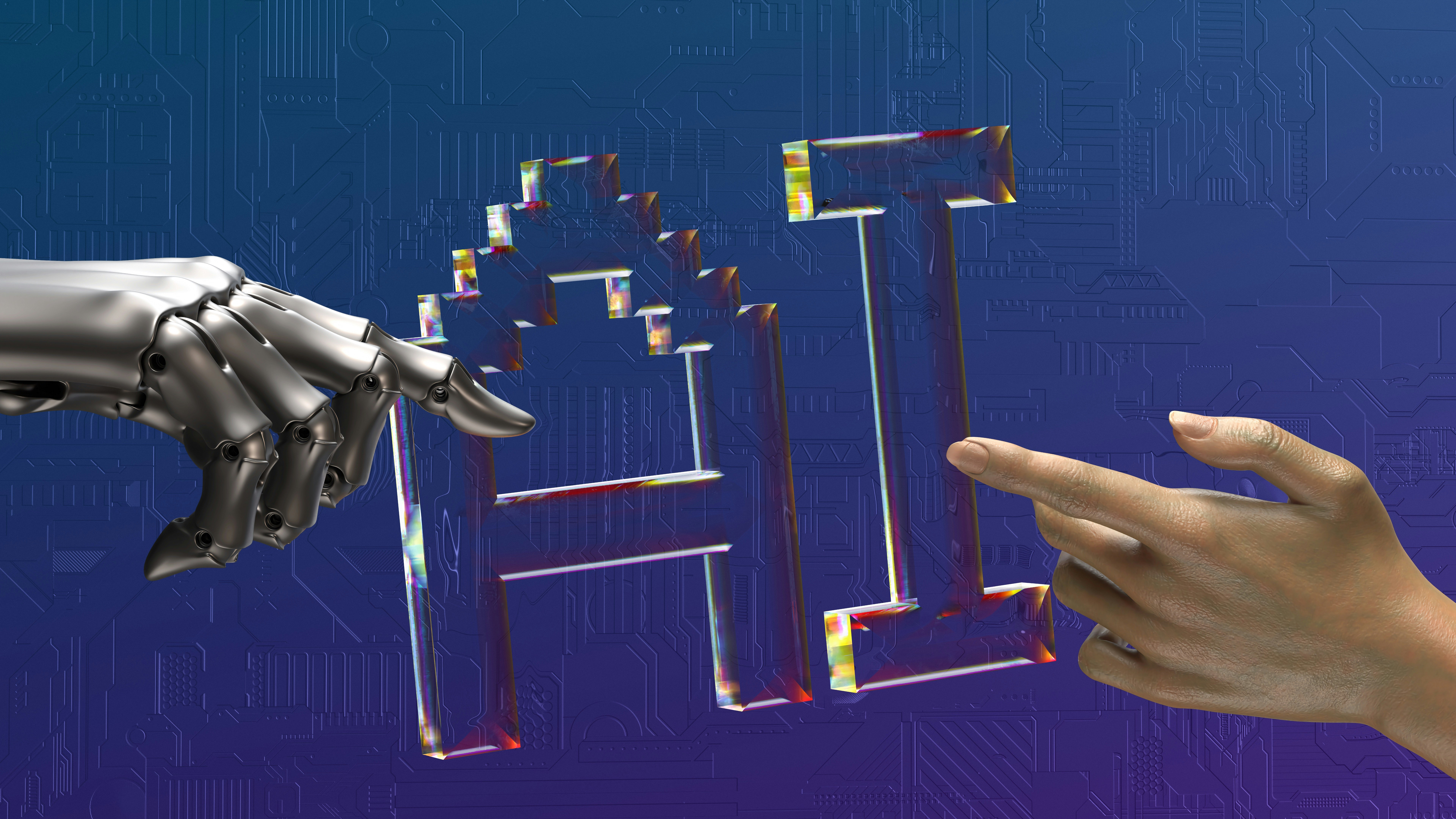

The landscape of web development has undergone a fundamental shift. While early AI tools functioned primarily as sophisticated autocomplete engines, the industry in 2026 is defined by autonomous AI coding agents. These agents do not just suggest lines of code; they plan architectures, debug complex systems, manage dependencies, and execute multi-file refactoring tasks with minimal human intervention.
This evolution has sparked a critical debate: Are AI coding agents poised to replace traditional developers, or are they redefining what it means to be a software engineer? Understanding this shift is essential for founders, engineering leaders, and developers aiming to remain competitive.
The Rise of Agentic Workflows in Web Development
Unlike traditional LLM assistants that require step-by-step prompting, AI coding agents operate via agentic workflows. These systems use iterative loops to analyze a codebase, formulate a multi-step execution plan, write the necessary code, run tests, and self-correct based on error logs.
Several key technologies have driven this transition:
Multi-file Context Windows: Modern models can process entire codebases, allowing agents to understand how a change in a database schema affects frontend components.
Integrated Execution Environments: Agents run in sandboxed environments where they can install packages, run compilers, and execute test suites just like a human developer.
Feedback Loops: If a test fails, the agent reads the stack trace, modifies its code, and runs the test again until it passes.
How the Developer's Role is Changing
The rise of AI agents does not signal the end of human developers; instead, it shifts their primary responsibilities. The traditional developer is transitioning from a manual coder to a system architect and quality gatekeeper.
1. From Writing Code to Reviewing Code
Developers spend less time writing boilerplate code and more time reviewing pull requests generated by AI agents. This requires deep analytical skills to spot subtle logical flaws, security vulnerabilities, or architectural drift that automated tests might miss.
2. Focus on System Architecture and Integration
While an agent can quickly generate individual microservices, human oversight is crucial for designing resilient, scalable system architectures. Humans excel at understanding business context, choosing the right technology stack, and planning for long-term scalability.
3. Test-Driven Development (TDD) as a Core Skill
To guide AI agents effectively, developers must write precise specifications. Test-Driven Development has emerged as a vital practice: by writing comprehensive tests first, developers give AI agents a clear, objective definition of success.
Key Trade-offs: Speed vs. Maintainability
While AI agents offer unprecedented development speed, they introduce unique challenges that engineering teams must manage:
Technical Debt: Agents can generate vast amounts of code quickly. Without strict architectural guidelines, this can lead to bloated codebases that are difficult to maintain.
Security Risks: AI models may inadvertently introduce security vulnerabilities or use outdated, insecure libraries. Continuous automated security scanning is essential.
The "Black Box" Problem: When an agent resolves a complex bug through multiple iterative steps, human developers may struggle to understand the underlying logic, making future troubleshooting harder.
Practical Next Steps for Technology Leaders
To leverage AI coding agents effectively without compromising code quality, engineering teams should adopt several best practices:
Establish Strict Guardrails: Implement automated CI/CD pipelines with rigorous linting, static analysis, and security vulnerability scanners to vet all AI-generated code.
Upskill Teams in Architecture and Security: Shift training focus from syntax mastery to system design, threat modeling, and advanced debugging techniques.
Adopt Agent-Friendly Codebases: Keep codebases modular, well-documented, and highly testable. Highly coupled "spaghetti code" is notoriously difficult for AI agents to navigate and modify successfully.
Ultimately, the future of web development belongs not to AI alone, nor to developers working in isolation, but to hybrid teams that seamlessly integrate human ingenuity with agentic automation.